← Socrates Bourbon
The Record

Where the method came from

Fifteen years. One table. Four hundred glasses nobody was allowed to see.

— The DGC record

The Bourbon Brothers™ Method did not start as a product. It started as a monthly argument among friends who kept getting things wrong.

We called ourselves the DGC — the Distinguished Gentlemen’s Club of Greenville, South Carolina. Once a month for fifteen years, a group of us put glasses on a table with the bottles out of sight and tried to talk our way to what was in them. Not to be right. To find out why we were wrong, which turned out to be the part that taught.

Two rules made the difference, and both of them are in the app you can open today.

Blind, by default. A label is a strong suggestion. The moment you know the age statement and the price, they quietly write your notes for you and you find what you expected to find. Covering the bottle is the only condition under which you learn whether your palate or your expectations did the work.

Committed before revealed. Everyone said their read out loud, in order, before anyone saw a label. A guess you can revise after the answer arrives isn’t a read — it’s a memory of someone else’s. That single constraint is what separates a tasting group from a drinking one.
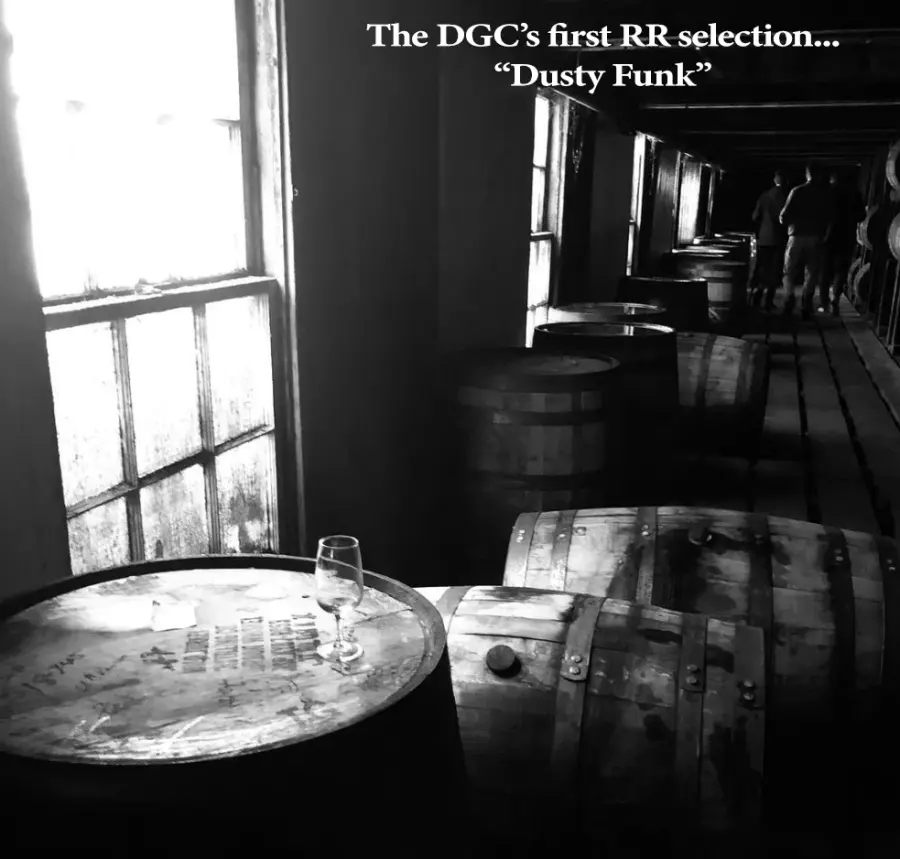
A rickhouse aisle in black and white — the DGC's first Russell's Reserve barrel selection, 'Dusty Funk'

The DGC’s first barrel selection… “Dusty Funk”
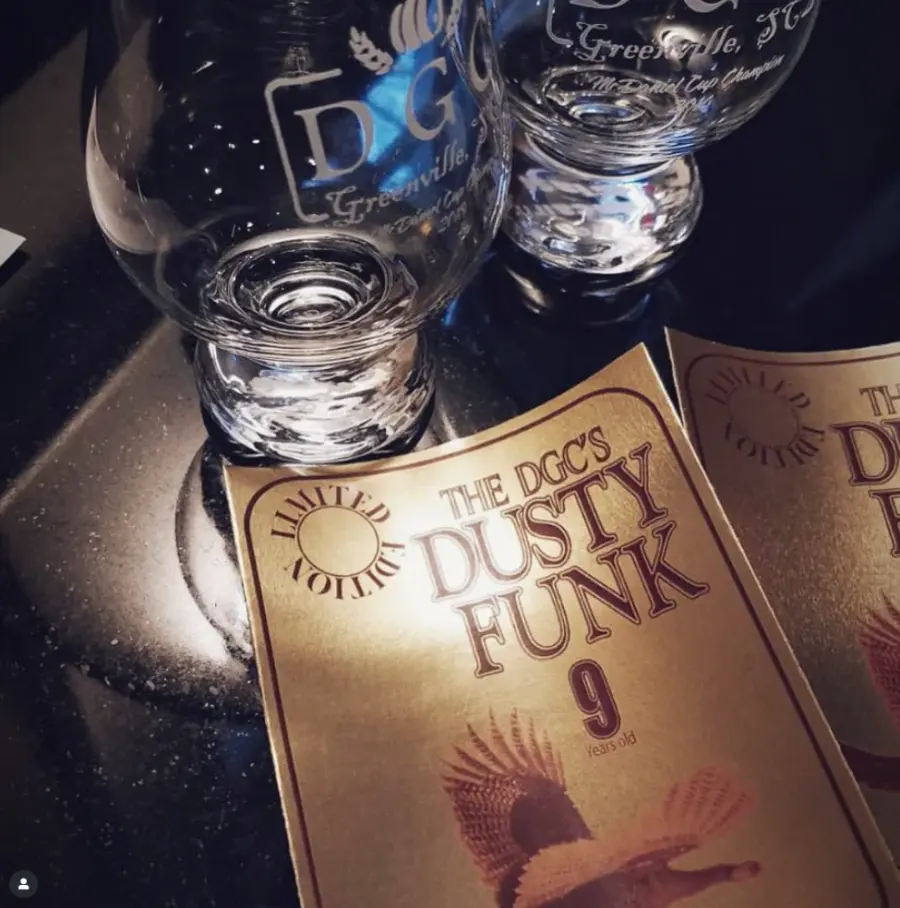
Engraved DGC Glencairn glasses beside gold Dusty Funk limited edition barrel-pick labels

Engraved glasses, numbered labels — the club documented everything
400+ documented blind tastings

A record, not a collection of opinions

Plenty of people taste a lot of bourbon. What made this different is that we wrote it down — every read, every miss, every bottle, session after session, for fifteen years.

Volume alone teaches you very little. What a written record gives you that memory cannot is the pattern of your own errors. Read four hundred sessions back and the same mistakes surface again and again: calling a hot young pour older than it is, reading dark color as age, hearing rye pepper where the barrel was doing the talking. Those repeated errors are the actual curriculum, and you cannot see them one glass at a time.

The Method is what remained after the noise was removed — the sequence of questions that most reliably moved a taster from a blank glass to a defensible conclusion, and the tells that most often separated two pours people kept confusing.

In service of something

What the club did with its reach

As the DGC matured, something none of us planned came out of it. Several members helped create what became the Medicinal Whiskey Charity, a Greenville nonprofit that has since raised roughly $2 million for sick and in-need children.

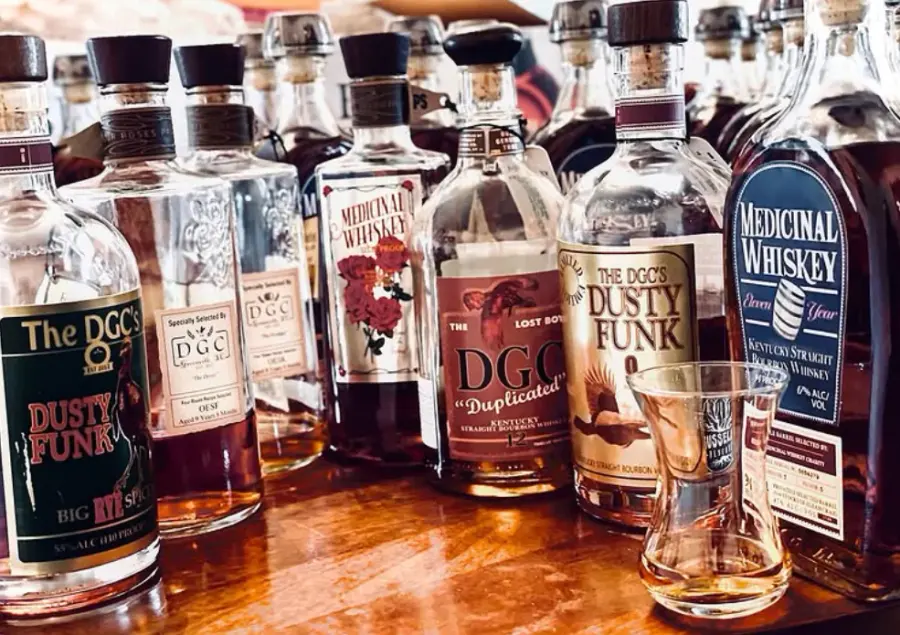
A lineup of DGC private barrel selections and Medicinal Whiskey Charity bottlings on a tasting table

DGC barrel picks beside Medicinal Whiskey Charity bottlings — the record, on the table

That is the part of this history that matters most to me, and it is the reason the tone of this product is what it is. A tasting table is a good place to sharpen a skill. It turned out to be a better place to be useful.

Bourbon culture, in service of something. That part isn’t marketing — it’s the record.

The method is human. The guide is AI.

Worth being precise about, because the distinction is the whole product. The Method — the stages, the order, the tells, the discipline of committing before revealing — is human-authored, drawn from those sessions and published in the novel. No model invented it.

What the AI does is run it: look up what the record says about the pour in front of you, hold that back, and ask the questions in order until you have arrived somewhere yourself. Socrates knows the answer the entire time. Its job is to make you earn it.

Why build it

Fifteen years at a table that doesn’t scale

The trouble with what the DGC had is that it took eleven people, a free Saturday, and fifteen years. Almost nobody gets that. Most people who want to taste better are pouring alone on a Tuesday, with no one to argue with and no record of what they thought last time.

I’m a professor of medicine, a novelist, and a father of four, and across all of it the thing I care about most is teaching done well — the kind that is a genuine pleasure in the moment and leaves you sharper for good. Socrates Bourbon is that table, rebuilt so one person can sit at it: something that knows the pour, refuses to hand it to you, and keeps your record so the patterns can surface the way ours did.

Cheers,
John McKillop

Co-Founder, Medicinal Whiskey Charity · bourbonbrothersbook.com

About the founder

John McKillop

A Greenville, South Carolina author and physician — a graduate of Davidson College and the Medical University of South Carolina — who spent fifteen years tasting blind with the DGC and writing all of it down.

He is co-founder of the Medicinal Whiskey Charity, which has raised roughly $2 million for pediatric care, and the author of the novel Bourbon Brothers, where the Bourbon Brothers™ Method was first published.

The fuller story — the novel, the writing, the road trips — lives at bourbonbrothersbook.com.

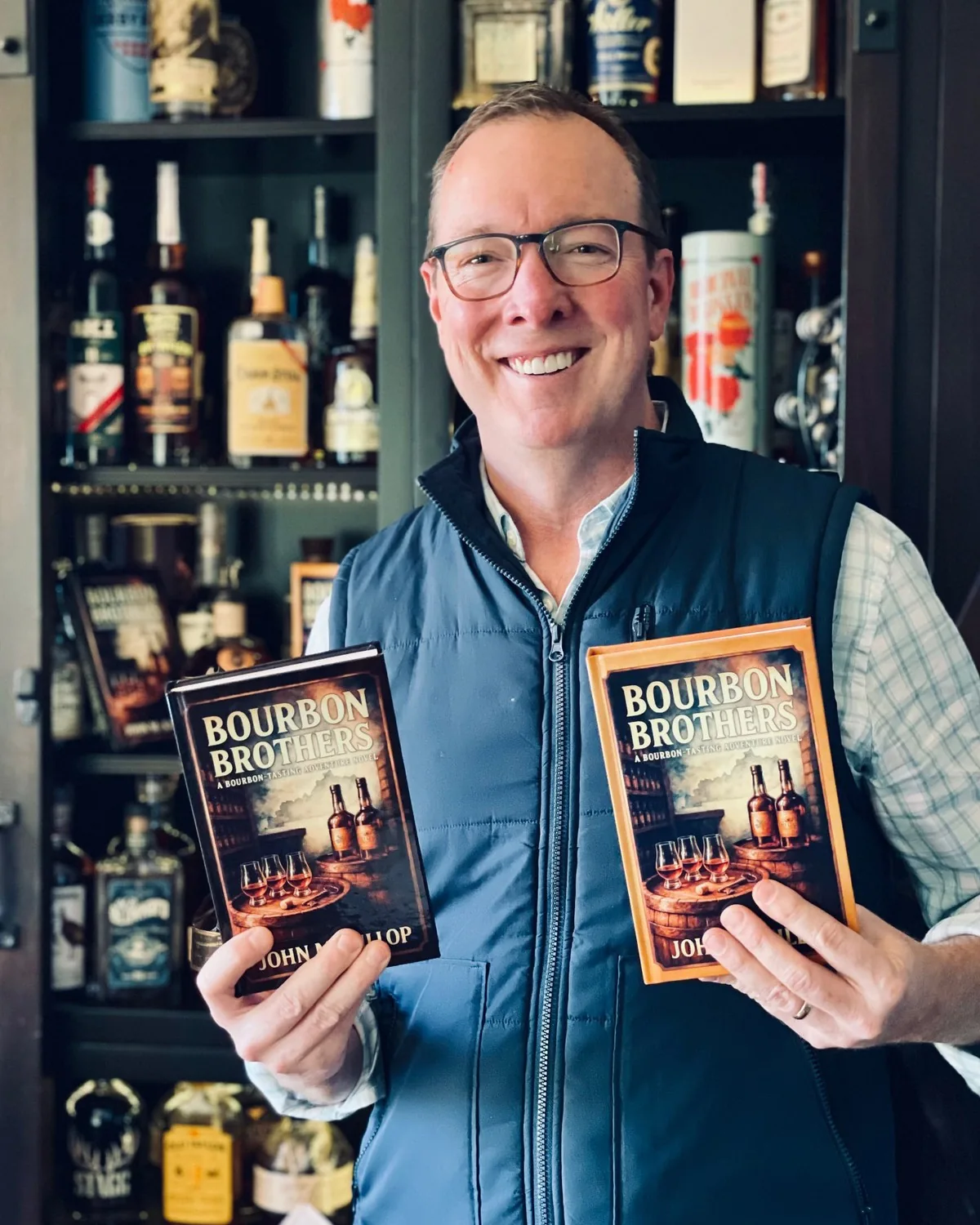
John McKillop holding two hardcover editions of Bourbon Brothers in front of his bourbon shelf

John McKillop, M.D. — professor of medicine, novelist, whiskey historian

Where this is headed

Every pour you run in Socrates Bourbon writes a page in your own tasting record — your reads, your reveals, your palate finding its voice. I’m working on turning a year of those pours into a printable Tasting Journal — your personal archive, in your hands, the way the DGC kept ours. Founding Sippers will shape how it works — and when it ships, theirs is free.

— John

The method lives on

Fifteen years at the tasting table. Now it’s at yours.

Meet Socrates Bourbon — free

Or read the five stages of the Method before you pour.

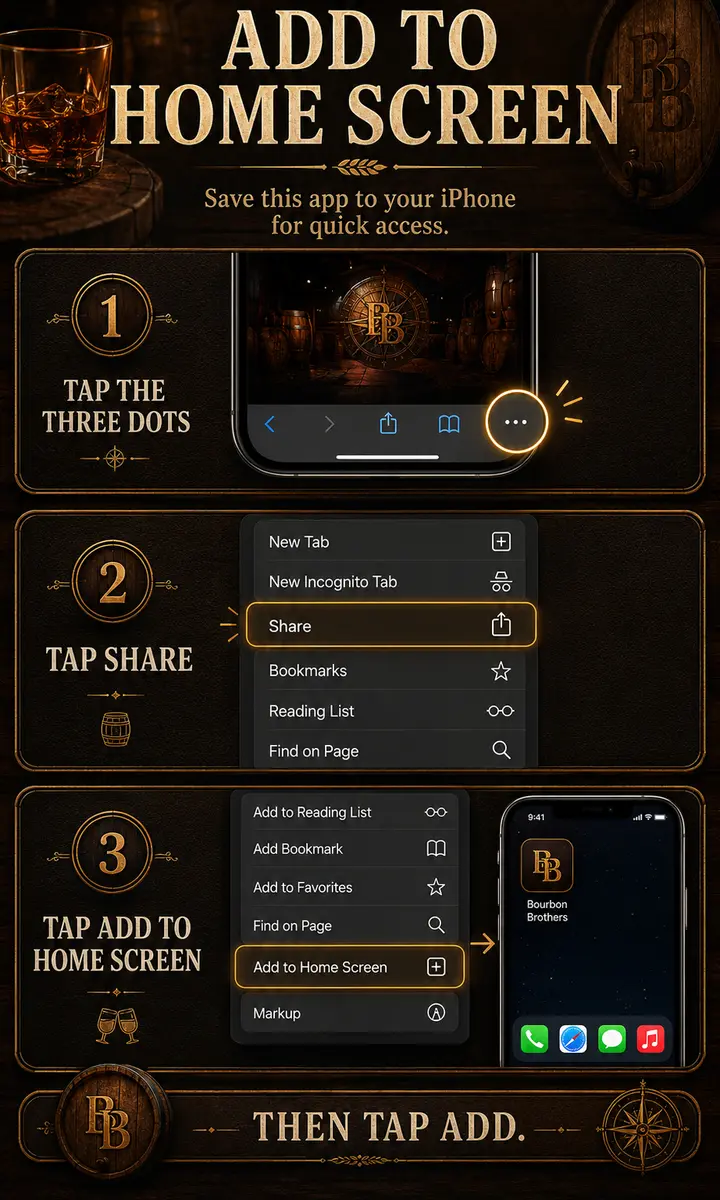
Keep it one tap away
Add to Home Screen: tap the browser menu, tap Share, tap Add to Home Screen, then tap Add.

iPhone: Share → Add to Home Screen. Android: Chrome menu (⋮) → Add to Home screen.